
One of the first questions many homebuyers ask is, “How much do I need to put down?” That’s important, but it’s only part of the picture.

Getting preapproved for a mortgage is one of the first steps many buyers take before seriously looking at homes. Here's what a preapproval really tells you, and what still matters once you find the right property.
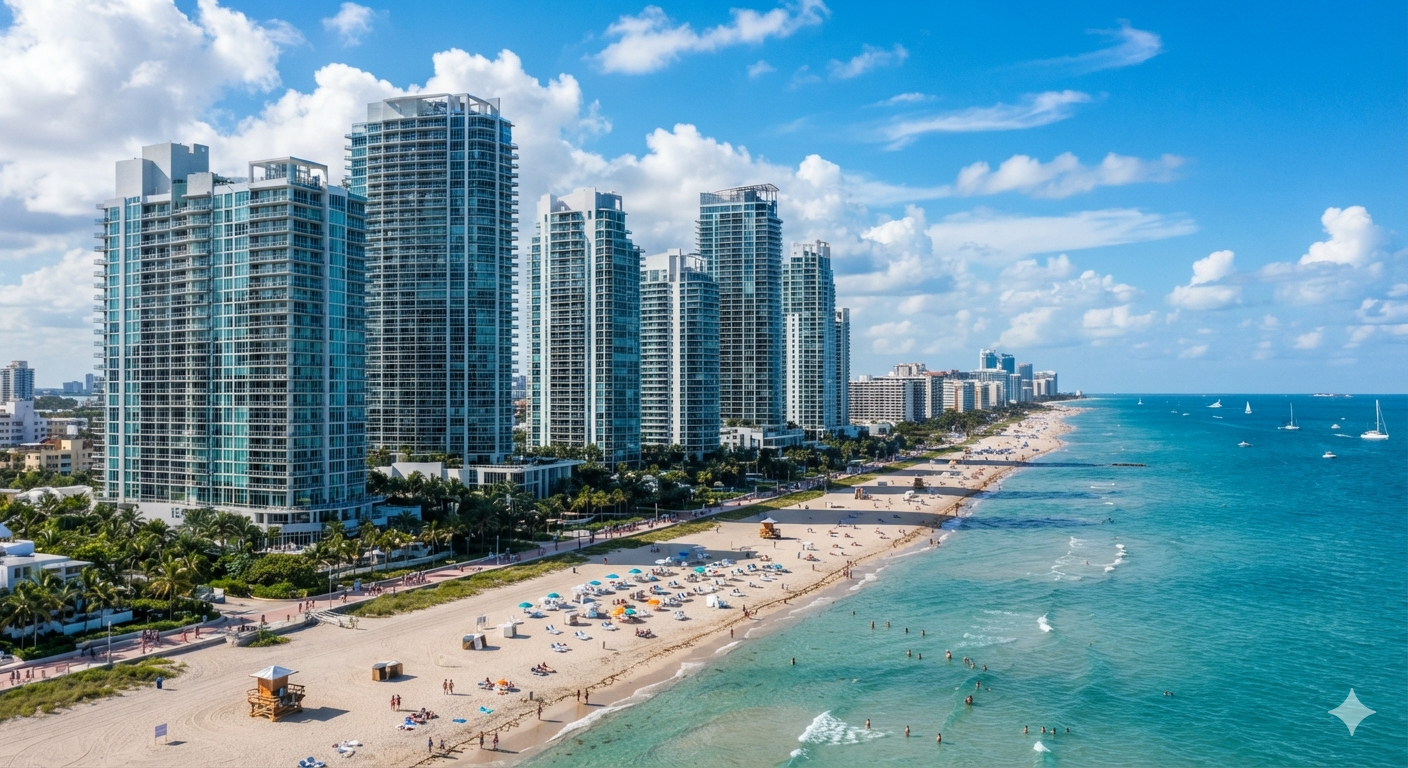
Fannie Mae has announced significant updates to condo lending guidelines. These changes are designed to promote the long-term financial health and stability of condo associations-helping to build stronger communities and protect property values for years to come.

If you're thinking about buying a home in Florida, you may already be browsing listings, comparing neighborhoods, or wondering what today's interest rates look like. That's exciting—but before you fall in love with a house, there's one conversation that can save you time, reduce stress, and help you make more confident decisions: a conversation with a mortgage advisor. At The Florida Mortgage Advisors, we believe getting a mortgage isn't just about finding a loan. It's about understanding your options and building a plan that fits your financial goals. Every buyer's situation is different. Some are purchasing their very first home. Others are relocating, refinancing, buying a vacation property, or investing in real estate. No matter where you are in your journey, the right advice at the beginning can make the entire process smoother. One of the most common misconceptions we see is that the first step is finding a home. In reality, understanding your financing first can give you a clearer picture of your budget, the loan programs available to you, and what to expect during the buying process. That knowledge can make shopping for a home much more enjoyable, far less stressful, and with less surprises. Buying in Florida also comes with considerations that do not exist elsewhere. Property insurance, flood zones, condominium requirements, and local market conditions can all influence your financing. Having someone who understands those factors can help you prepare for the road ahead. That's why we created The Florida Mortgage Advisors. We wanted to build a company focused on guidance as much as financing. We know that buying a home is one of the biggest financial decisions most people will ever make, and we believe our clients deserve clear answers, honest communication, and personalized service every step of the way. This article is the first in what we hope becomes a valuable resource for Florida homebuyers. Each month, we'll share practical information about mortgages, home buying, refinancing, market trends, and the questions we hear most often from our clients. Our goal is to make the mortgage process easier to understand so you can make informed decisions with confidence. Whether you're ready to buy now or simply planning for the future, we're glad you found us. We hope you'll visit us often, and when you're ready to talk about your home financing goals, The Florida Mortgage Advisors will be here to help.